


RETIREMENT HAS ITS CHALLENGES TO LIVE IT TO THE FULLEST
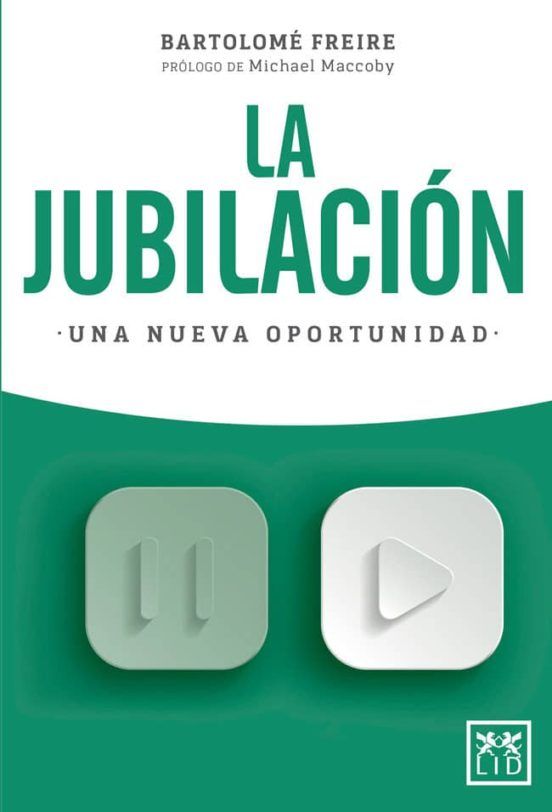
Living in retirement is no easy task. It’s a phase of our life with multiple changes that sets in motion a psychological process with its very own challenges and opportunities. In La jubilación, una nueva oportunidad, el Dr. Bartolomé Freire encourages readers to reflect on the best way to live out the freedom that this stage offers.
A specialist in Psychiatry from the Complutense University of Madrid, Bartolomé Freire (@doctorfreire) continued his training abroad, and after a brief stay at the Mexican Institute of Psychoanalysis, he moved to Washington where he studied at The Washington School of Psychiatry, and worked in a mental health center. Back in Spain, he worked at the Torrejón Air Base Hospital and directed one of the first community mental health centers opened in the Community of Madrid Region. At the same time, he kept his psychotherapy practice until he retired at the age of 60. Faced with this unfamiliar situation, he was motivated to read all the literature that would help him learn about the challenges of this stage and thus began a new adventure.
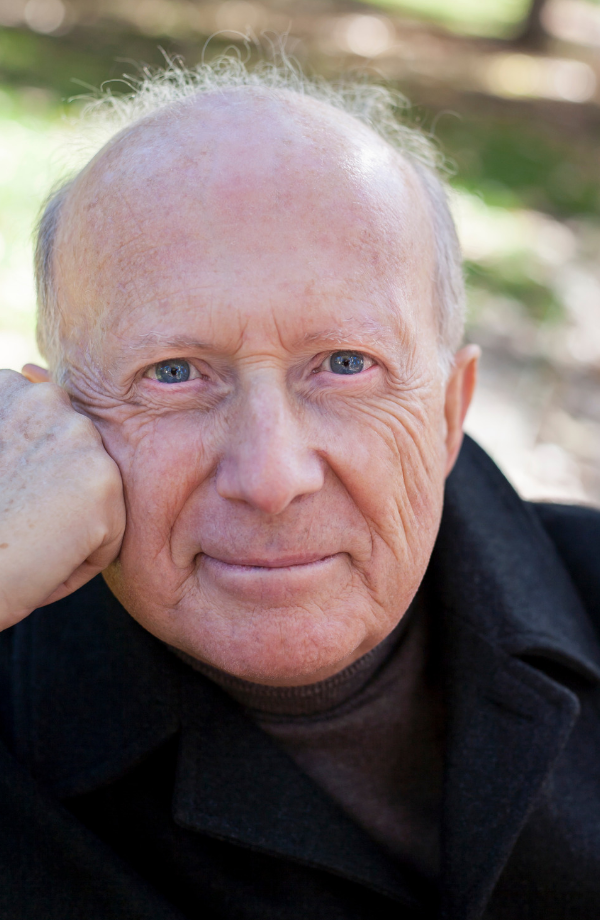
-Why did you decide to write La jubilación una nueva oportunidad?
I thought it was an opportunity to contribute something about retirement and the challenges you have to overcome. At the same time, it was a way of continuing my professional practice, but adapting it to my own status as a retiree. My goal was to find out how retired people were organizing their lives and what resolutions and initiatives helped them to keep their enthusiasm for getting up every morning. To get the information, I interviewed 150 retired men and women. And thus my book, La jubilación, una nueva oportunidad was born.
-What conclusions did you reach?
Que había diferentes maneras de vivir la jubilación, en función de los intereses y deseos de cada persona. Yo establecí 5 perfiles distintos:
- Task Doers are people who continue on working, or are looking around for a task that becomes the center focus of their life. These are people who felt very identified with what they were doing beforehand, who had been enjoying their jobs very much..
- Leisure Seekers are people who want to enjoy the possibilities that retirement offers, but in a relaxed, uncommitted way. In this group there were many women who valued having the freedom to do what they wanted, because during all their lives they had been dominated by their parents, their husbands, their children, the household, a job…and now it was time to pay attention to themselves.
- Searchers for Calm didn’t want tension or stress. They said they had had many problems during their lives, and now they were focused on the home, valued their relationship, and avoided things that made them anxious.
- For the Explorers, retirement had been a turning point to change their lives or themselves, developing new skills or changing focus. In this group there are many women who’d had an inadequate education.
- The Unfocused do not have their own plan for living retirement, they occupy their lives with routines, and many feel dissatisfied and use pejorative adjectives about this stage.
However, within each group there were people who developed new skills, learned things, enriched their relationships, advanced in their self-knowledge… while others didn’t feel satisfied with what they were doing.
Pero, además, dentro de cada grupo había personas que desarrollaban nuevas habilidades, aprendían cosas, enriquecían sus relaciones, avanzaban en su autoconocimiento… mientras otros no se sentían satisfechos con lo que estaban haciendo.
-What aspects help us to grow and what others create dissatisfaction?
As I mentioned, in all the groups there are people who are keen, who have control over their own lives, who live fully. For example, some Task Doers opened new fields of work without the pressure of a boss or fixed objectives, they did it creatively and enjoyed what they were doing. On the other hand, others kept working because they didn’t know how to do anything else. They could not even imagine themselves doing something different. They did what they had always done, without taking advantage of the opportunity that retirement offers to develop new hobbies and new interests. So, there are two extremes: one productive and one unproductive.
-What advice would you give to people who have just retired or are about to retire?
In the transition you have contradictory feelings, you love to get up late and enjoy your freedom, but you feel that you have left a part of your life behind, that you have lost a few things, and you have some fears about whether you’ll be able to find activities that make you feel fulfilled. I’d tell you to give yourself some time to live out that moment. There’s a feeling of emptiness that can often be overwhelming. But it’s good to live through it, because it will help you to develop an idea of what’s really important to you, what stimulates you, what makes you happy and what makes you feel needed.
We have to listen to ourselves and let ideas arise from within us, to find out what satisfies our needs for personal fulfilment, connection with the wider world, spiritual… Not just trivial things like going out down to the corner shop.
-And for those who are already retired, what are the secrets to living this stage to the fullest?
Those who are retired have already found a way to settle into retirement, but there’s always room for improvement or rethinking how to enrich it. We must be in that process of reviewing things, to be open to the new, to be open to try different things. Make plans and really get involved in them, with a passion. Exposure to the new always involves a certain amount of anxiety. However, for retirement to have a touch of adventure, it’s good to live through new situations and to meet new people, It all adds to the vitality of the retiree.
-You have been a psychotherapist until you retired at the age of 60. How do you live out your retirement?
I think I’m rather busy: writing the book, disseminating what I think can be useful to other people through interviews, conferences, lectures … exposes me to something new. But I’m also a bit of an enjoyer and I remind myself that I do have the right to get up late, read the newspapers, go out or a walk and watch a film on TV. Most of us are a combination of different tendencies, although there’s always one that dominates.
-Do you think people are living out their retirement to the fullest in Spain?
I think so. It’s a very important transition because the circumstances in which you live change and also your own identity. Whenever I am called Dr. Freire I liked it, it is a recognition of my previous work, and now it seems to me that I’ve lost a bit of that. But in my book I used my listening skills as a psychotherapist, so it’s not lost. Retirement has its challenges, like shedding your professional role, but you also enter into it with a wide awareness of life. You’ve made quite a few transitions along the way and more or less manage. So it’s not a traumatic change for most people. It’s a different thing to know what they’re getting out of retirement. That’s to say, the quality of the adjustment varies from person to person. It is not only what you do, but how you are doing it.
– Some studies place the greatest happiness around the age of 70. Are we happier as the years go by?
I think the greatest happiness comes at older ages, because we older people adapt our expectations to reality. It increases the ability to be realistic, to be more tolerant of others, to see things as a whole with a holistic view. There are abilities that develop with ageing, fortunately, which contributes to older people declaring themselves happier than people, for example, in their 40s.
-What advice would you give for living through a pandemic?
Do not be discouraged by difficulties and fear. Because we older people are a risk group, and it’s good to be prudent and take any protective measures that are recommended, but it’s also good not to let ourselves be discouraged and try to maintain the aspects of life that we find satisfying. It’s important to see what you can do, and not to adopt a defeatist, negative or discouraged posture. Despite the situation, you still have some control over your life. Valuing the positive things you have and are, as well as finding small tasks that get you excited on a daily basis can help you cope with a situation that’s frustrating and dangerous.
Published in 65 y más: La jubilación tiene sus retos para vivirla con plenitud


No Comments